Ready to build a strong brand?

Your brand isn’t just a business asset.
It’s something you’ve carried for a while. An idea you believed in before anyone else did. Something you protected, questioned, refined, and kept alive while it was still fragile.
That’s why branding is never just a visual exercise.
Before a brand can be designed, it has to grow into itself. It needs a clear shape, a point of view, and a sense of direction. Only then can it be translated into visuals, language, and systems that feel natural, not forced.
You don’t need to design your brand on your own.
But you do need to bring it to a stage where it can stand on its own.
That moment when an idea becomes clear enough to be handed over is where brand identity truly begins.
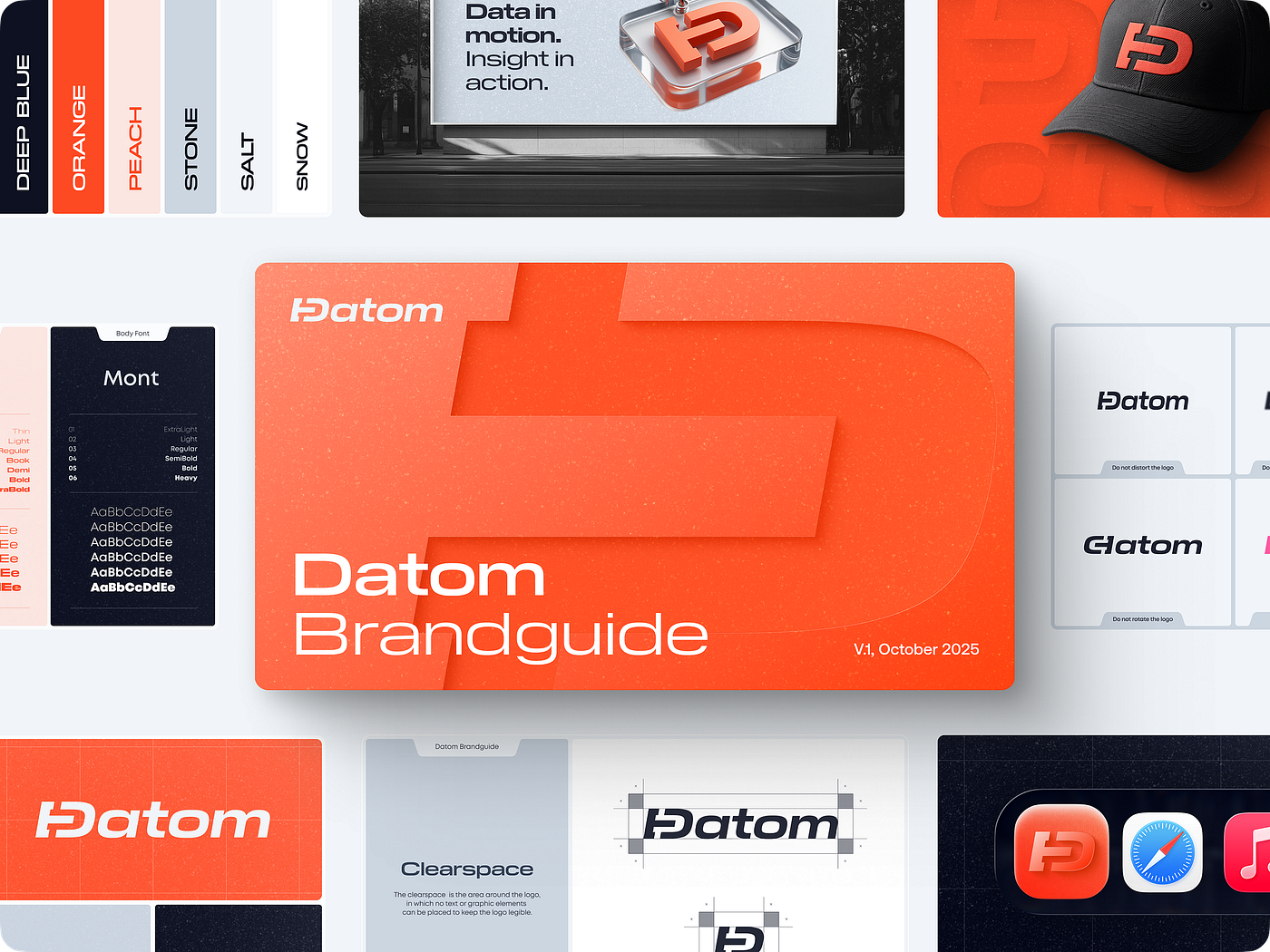
At Outcrowd, we see branding as a careful handoff. Our role is to translate what you’ve built into a visual identity that feels accurate, confident, and long-lasting. That translation works best when the foundation is already there.
Think of the points below not as requirements for us, but as a way to clarify things for yourself. If you have these answers on hand, you’re ready to start a brand identity project — and set it up for success.

What to prepare before starting brand identity
1. Your core “why”
- Start with the foundation. You don’t need a polished mission statement or a perfect narrative. What matters is clarity.
2. Have a clear understanding of:
- what problem your product or service solves
- why this business exists beyond revenue
- what values guide your decisions as a company
Notes, bullet points, unfinished thoughts — all of that is fine. This is about meaning, not wording.
2. A clear picture of your audience
Brand identity works best when it speaks to someone specific.
It’s helpful to define:
- who your primary customers are
- what challenges or frustrations they face
- what they expect emotionally from a product like yours (simplicity, confidence, speed, trust, status)
- where they most often interact with your brand: website, mobile app, social platforms, or offline touchpoints
The better you understand your audience, the easier it is to create a brand that feels relevant rather than generic.
3. Your competitive context
Your brand will always be perceived in comparison.

Bring:
- a list of direct competitors
- a few indirect competitors with a similar audience or positioning
- notes on what you like or dislike about their branding
This isn’t about copying others. It’s about understanding the space you’re entering and defining where you want to stand within it.

4. Visual references and anti-references
You don’t need to be a designer to have visual taste.
Your preferences are valuable input, not noise.
It’s useful to prepare:
- examples of visuals that feel right to you — brands, interfaces, colors, photography, architecture, moods
- examples of styles you clearly want to avoid
Knowing what you don’t want often saves as much time as knowing what you do.
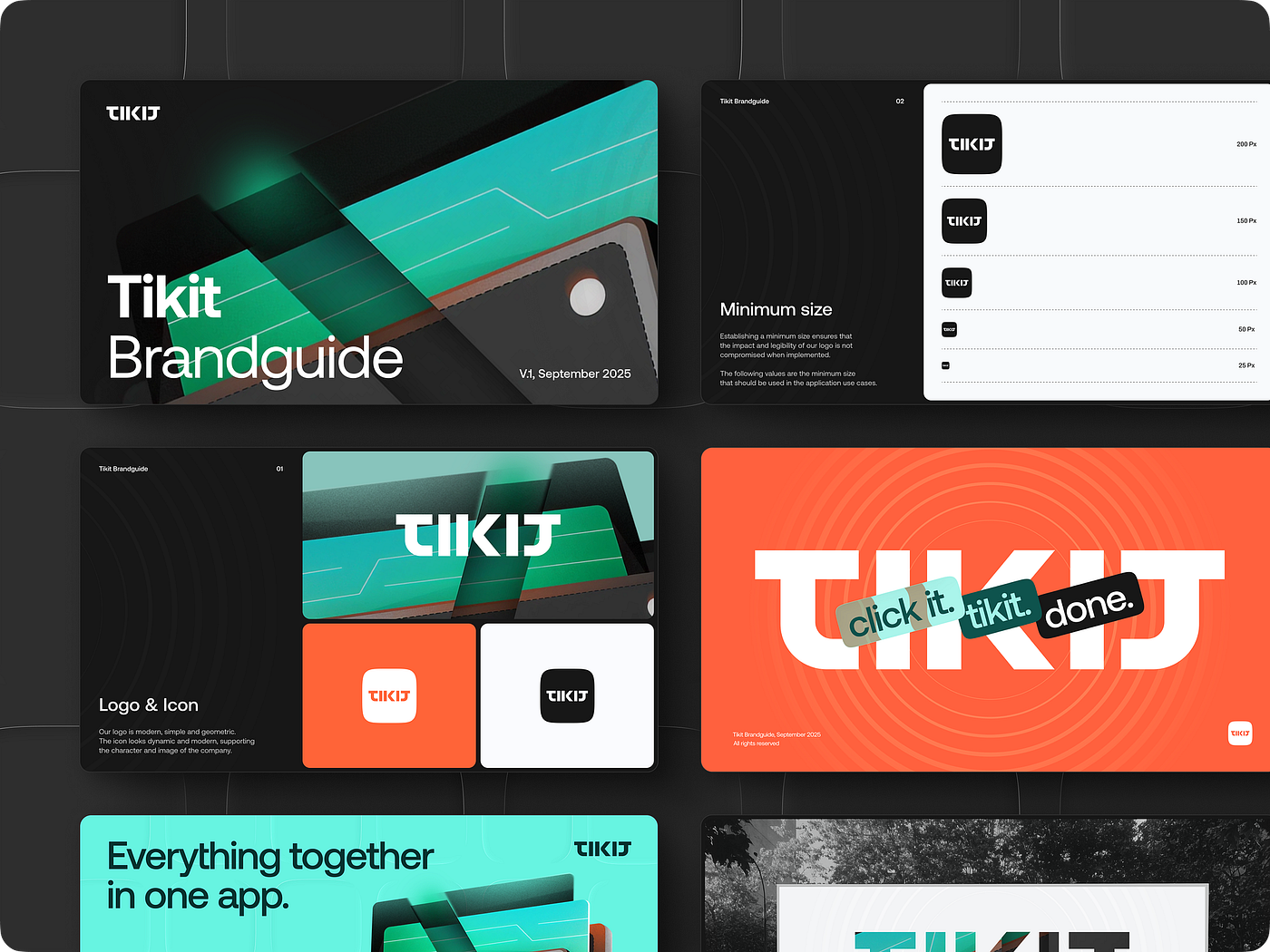
5. Brand positioning: defining your boundaries
Before moving to visuals, it helps to define the limits your brand should operate within. This step is less about form and more about clarity. It sets the internal frame that guides every future decision.
Answer honestly:
- what your brand should not be associated with
- what feels completely wrong for this business
- three words that describe the brand’s intended character
These answers don’t need to sound polished. Short notes and rough formulations work just fine. Their purpose is to create a shared understanding of where the brand belongs — and where it doesn’t.
When these boundaries are clear, visual decisions become more focused and consistent. Design stops being a matter of taste and starts reflecting a clear point of view.

What makes branding last
A brand is not something added at the end. Over time, it becomes something people recognize, trust, and remember across different products and moments.
What makes that possible is consistency in decisions. When design, language, and behavior follow the same logic, the brand feels stable and believable rather than fragmented.
Branding also gives both sides a shared language. It helps people understand what to expect from the business and how to relate to it. When this foundation is in place early, design stops being decoration and starts supporting real, long-term growth.
Why this matters
Brand identity shouldn’t feel accidental. When the right information is in place from the start, design decisions become intentional — aligned with your business goals and long-term vision.
At Outcrowd, branding is a collaboration. The clearer your inputs are, the more precisely we can translate them into a visual identity that feels authentic, consistent, and built to last.
If you can gather these inputs, you’re ready to start a brand identity project — and give your brand the care and clarity it deserves.
You might also find these helpful:
How to Create a Strong and Memorable Brand
Branding 2026: fundamental changes