Fintech Design Trends 2026
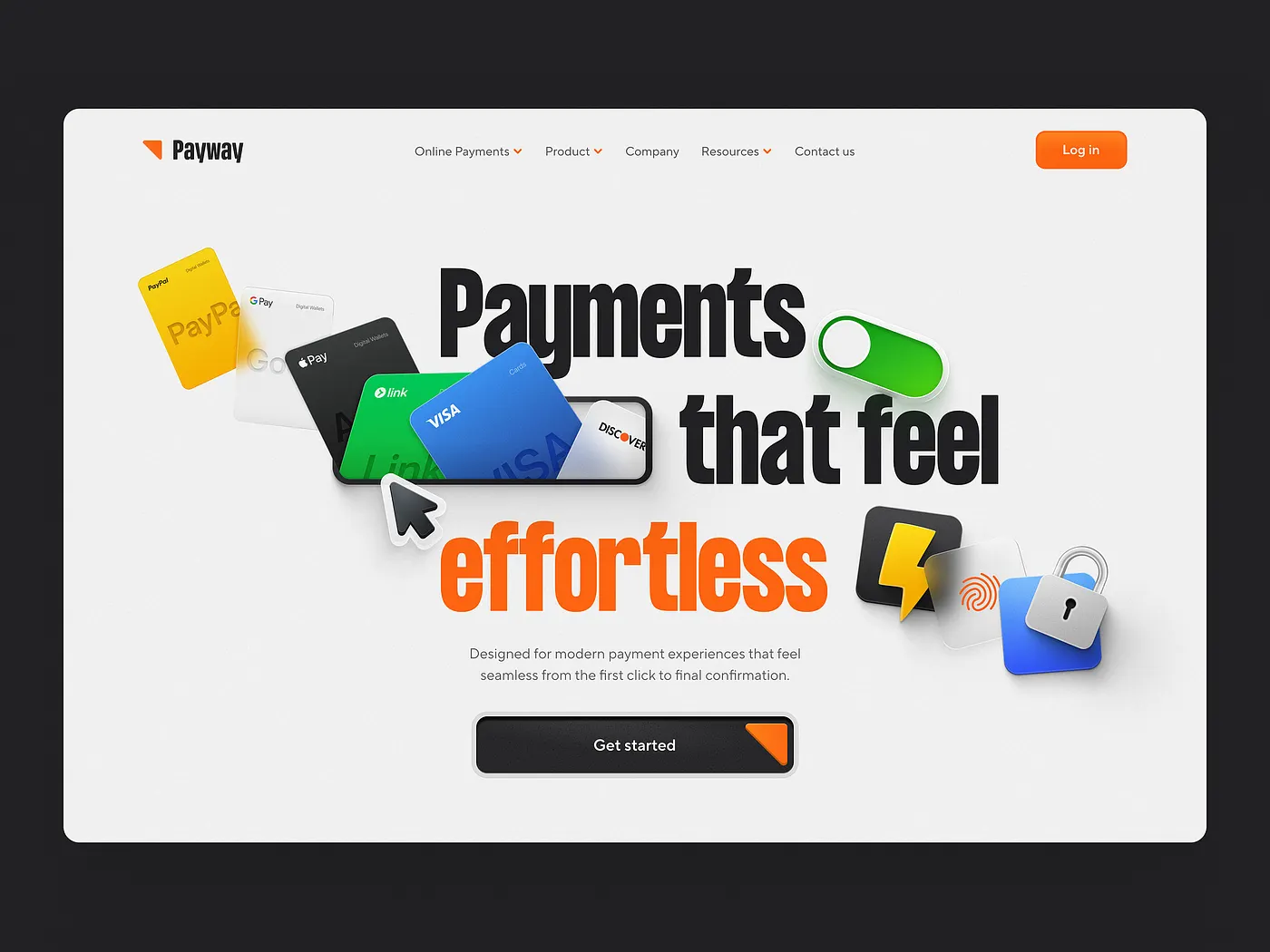
Within the design community, there is still a common belief that fintech does not require its own design approach. That good UX principles are enough.
At first glance, this sounds reasonable. Clarity, logic, and predictability are universal design foundations. But fintech operates under different constraints.
In fintech, every interaction can carry financial consequences. Sometimes immediately.
Add instant payments, rising fraud, open banking, and AI automation to the equation, and it becomes clear that good UX is only the foundation.
2025 became a turning point for fintech. In the United States, federal oversight of stablecoins and digital assets is increasing. In Europe, MiCA is completing its transitional period, while DORA introduces strict requirements for operational resilience. The global fintech market is valued at $416 billion. By 2034, it may approach $1.6 trillion. AI is increasingly not only analyzing data but also initiating actions within predefined rules. Financial services are becoming more deeply embedded into non-financial platforms. Regulation is shifting from bureaucracy to competitive advantage.
In 2026, fintech design is fundamentally about managing risk, transparency, and control through the interface. The key industry changes are already transforming UX and UI.
Let’s look at what lies ahead and how designers, entrepreneurs, and product teams should respond to these shifts.
These changes can be observed across several parallel shifts: speed, AI autonomy, embedded finance, data portability, operational resilience, and a new level of risk management.
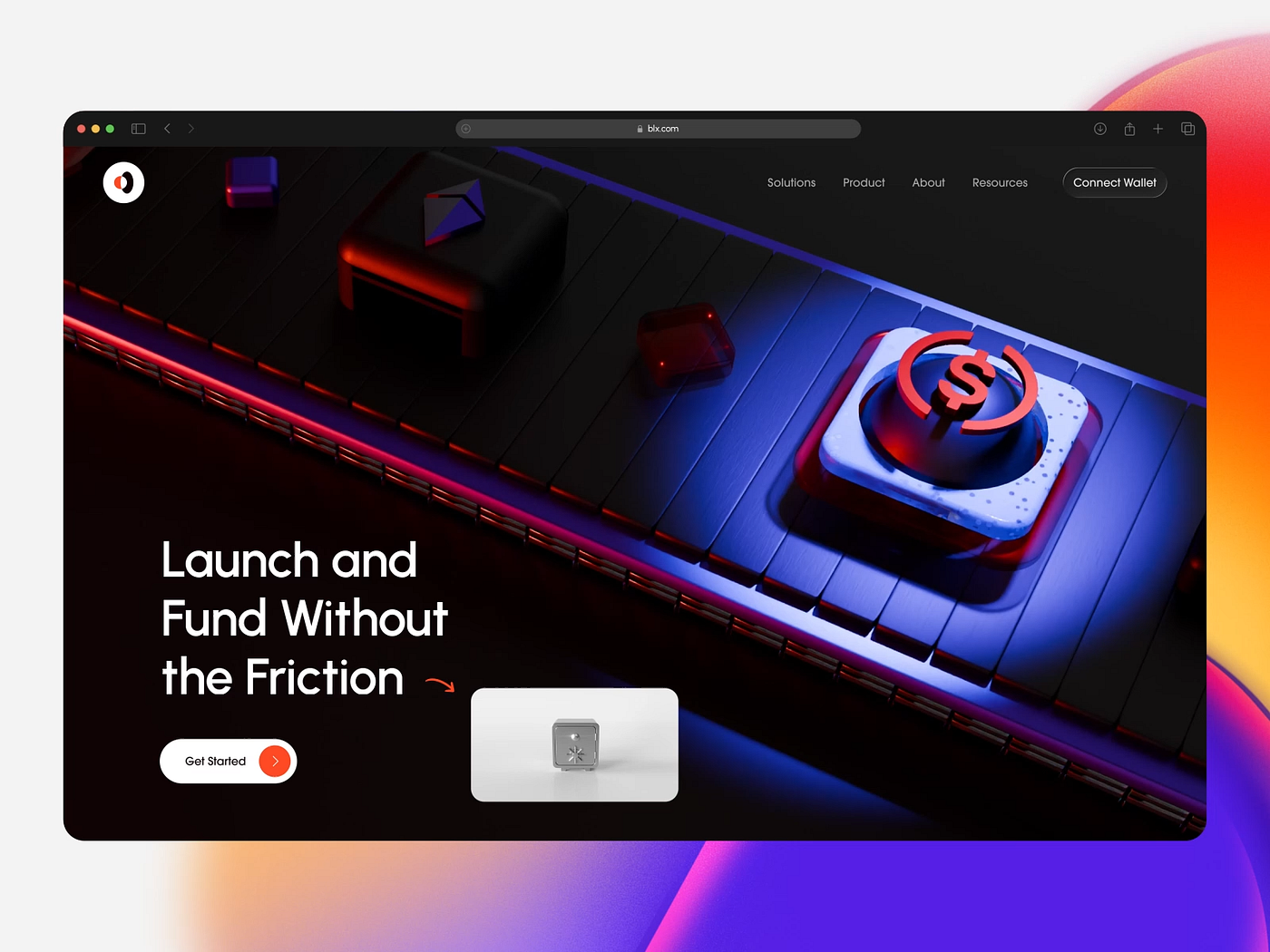
1. Regulation becomes part of the interface
What has changed
Global oversight of digital assets, open banking, and AI systems is intensifying. Requirements for transparency, explainability, and data governance are becoming specific and measurable.
In February 2025, the EU AI Act entered into force. The first wave includes a ban on certain types of AI and requirements for algorithm transparency. By 2027, high-risk AI systems such as credit scoring and underwriting must undergo full certification. DORA requires European fintech companies to document their entire chain of third-party dependencies, conduct regular stress tests, and report cyber incidents within hours. The GENIUS Act placed stablecoins under federal oversight in the United States. The law strengthens requirements for backing and reserve transparency to ensure system stability.
MiCA in the European Union completes its transitional period on June 1, 2026. All crypto platforms without a CASP license must either cease operations in the EU or obtain authorization.
Regulation no longer trails innovation. It now shapes how fintech products are designed from the start. Compliance has shifted from periodic review to continuous oversight.
- Compliance by Design
Onboarding is accelerating while requirements increase. KYC verification used to take days. Users manually uploaded scanned copies of documents and waited for review. Now biometric verification works in real time. The camera recognizes a document within 20 to 30 seconds, a liveness-check verifies a real person through a selfie video, and OCR automatically extracts data.
Designers break KYC into micro steps. For example: Step 2 of 3, ID verification.
Progress bars show specific timing instead of abstract spinning loaders. Reassurance copy provides clarity: “We are securely verifying your identity. This usually takes 20 seconds.”
Fallback options allow users to upload a photo manually if scanning fails. Progress is saved, and the process can be resumed later on any device.
Cash App uses single-question onboarding, with one question per screen. Chime explains at each step why specific information is required.

- Transparency and data control
GDPR requires that users see what data is stored about them, export it in a machine-readable format, delete it upon request, and withdraw consent for processing.
Designers create a dedicated “My Data” section with clear visualization: what is collected, why it is used, and who it is shared with. An “Export Data” button generates JSON or CSV in one click. A “Delete Account” button is visible and accessible, not hidden deep in an FAQ.
The consent flow is step by step: “We would like to use your location to prevent fraud. [Allow] [Deny].”
- Explainable AI
If AI declines a loan or blocks a transaction, the user has the right to know why.
Instead of “Your application was declined,” designers write: “Your application was declined due to a low credit score and the absence of verified income for the past 3 months. Here is what you can improve: [link to recommendations].”
For a blocked transaction: “We blocked a $1,500 payment in Amsterdam because this is an unusual location for you. Was this you? [Yes, unblock] or [No, this is fraud].”
Compliance by design is trust architecture embedded into every flow.
The user expects:
- instant verification
- clear explanations of decisions
- control over personal data
- transparency around blocks and restrictions
What changes in UX
- Onboarding is divided into short, clear steps.
- Every data requirement is accompanied by an explanation of why.
- Every rejection or block has a specific reason.
- UX here is trust architecture.
What changes in UI
- Progress indicators instead of abstract loaders
- A visible “My Data” section
- Simple consent management
- Clear and understandable rejection messages

2. Agentic AI: from recommendations to actions
What has changed
Artificial intelligence in fintech has fundamentally expanded its role. AI is gradually automating more tasks within defined rules, control frameworks, and transparency requirements.
Agentic AI plans multi-step actions (“I need to approve a loan → check credit history → assess risk → generate terms → send an offer”), uses tools such as APIs, databases, and external services, learns from errors, and interacts with other agents.
JPMorgan Chase launched an “AI-driven Coach” for financial advisors. AI accelerated research by 95 percent and saved $1.5 billion through fraud prevention. Banks are deploying autonomous agents for loan underwriting, fraud detection, and KYC triage. AI no longer waits for commands. It acts proactively.
- Know your agent (KYA)
Existing security systems such as KYC and fraud detection are built around human behavior. They track location, device signals, and typing patterns. AI agents behave differently. They do not enter data with delays, do not make typos, and do not switch between tabs.
New verification protocols are required for agents. This concept is known as Know Your Agent (KYA).
Designers introduce an “Agent Profile” within the interface. When a user’s AI assistant, such as Google Agent or Microsoft Copilot, initiates a transaction, it must be identified and authorized.
An explicit consent flow appears:
“Your AI assistant wants to make a $45 purchase. [Approve] [Decline] [Set limits].”
A dashboard for managing agent permissions becomes part of the system: “Google Assistant can spend up to $100 per day on groceries, but cannot make investments.”
Visa announced its Intelligent Commerce plan. Mastercard introduced Agent Pay. Both systems focus on verification of autonomous payments.
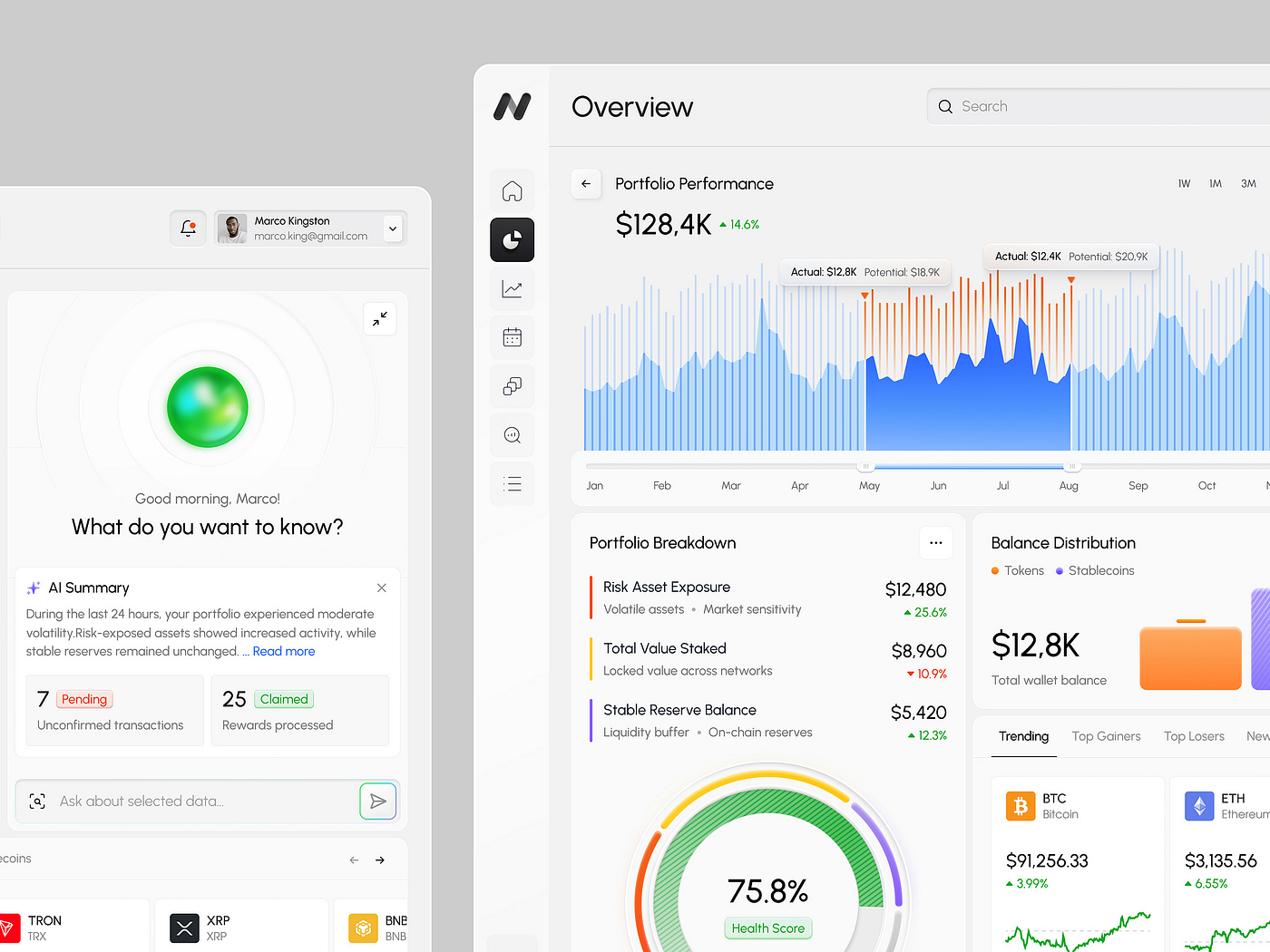
- Conversational commerce
Microsoft, Stripe, and PayPal are integrating payment rails directly into AI chat interfaces.
For example, a user writes in Copilot: “Buy me a train ticket to Berlin for tomorrow.” The AI finds options, compares them, completes the purchase, and sends confirmation.
Each transaction must include a confirmation step: “I found a ticket for €89. Confirm purchase? [Yes] [Show other options].”
A clear audit trail is essential. After the purchase, the user sees the entire process: what the agent searched for, which options were considered, and why a specific one was selected.
In case of an error, there is an “Undo” button with explanation: “Purchase canceled. The funds will return to your account within 3 to 5 days.”
- Human-in-the-loop for critical decisions
Not all decisions can be delegated to AI. High-risk operations such as large transfers, changes to loan terms, or account deletion require human oversight.
Escalation logic:
“AI cannot approve this loan independently. Your application has been sent to a specialist. Estimated response time: 2 hours.”
Transparency:
“Why was manual review required? Your requested limit exceeds the automatic approval threshold.”
Agentic AI requires a redesign of the entire trust architecture. Designers create interfaces not only for people, but also for agents acting on behalf of people.
In fintech, AI increasingly does not just analyze. It initiates actions: suggests transfers, allocates funds, blocks suspicious operations, and generates loan terms.
Automation is welcomed, but only if the sense of control remains intact.
What changes in UX
- Every AI action must have a “preview”
- Users must see limits and rules
- Critical decisions require human-in-the-loop
What changes in UI
- AI permissions management screen
- Clear labeling: “recommended by the system”
- AI activity log
- Undo or review button
AI in fintech requires not minimalism, but a transparent architecture of control.

3. Embedded finance erases application boundaries
What has changed
Financial operations now take place inside marketplaces, SaaS platforms, and AI chats rather than in a separate banking application.
Embedded finance is the integration of financial services such as payments, lending, and insurance directly into non-financial platforms. For example, Uber provides drivers with a debit card and checking account within the app. Shopify Balance allows merchants to manage business finances without a traditional bank. Klarna, Affirm, and Afterpay embed BNPL directly into e-commerce checkout flows.
Embedded finance has moved beyond experimentation and is becoming a stable component of platform business models. According to Bain & Company, embedded finance revenue in the United States could grow from approximately $22 billion in 2021 to around $51 billion by 2026, with an estimated 19 percent CAGR. At the same time, GlobalData forecasts that global BNPL transaction volume could reach approximately $576 billion by 2026.
This is no longer a niche product. It is large-scale financial infrastructure embedded into marketplaces, SaaS platforms, and digital ecosystems.
Finance no longer requires a separate app. It happens where intention happens.
- Invisible payments
The user no longer goes to pay. The user completes an action, and the payment happens in the background.
One-tap checkout: a “Buy Now” button without redirects to a payment gateway.
Stored payment methods with smart defaults: “Pay with card ···· 4242 (your preferred method).”
Post-transaction clarity: “Paid. $45 charged to your card. [View receipt].”
Shopify merchants can be presented directly in AI-assisted commerce flows.
- Contextual BNPL
BNPL is no longer just an option at checkout. It can be offered by an AI agent based on user behavior.
Personalized offer:
“You are viewing a $1,200 laptop. We can split it into 4 payments of $300 with no interest.”
Transparency requires showing the total cost upfront, including any fees.
Confidence level:
“We are 85 percent confident that your application will be approved.”
Klarna uses an AI Shopping Assistant that not only offers BNPL but adapts the payment plan to user behavior.
- Embedded insurance at the moment of purchase
Booking.com and airlines offer insurance during booking. Tesla integrates car insurance into the vehicle purchase process.
Soft opt-in: “Protect your trip for $12 (cancellation coverage).” [Add] [No, thanks].
Explainer: “What does the insurance cover? [Info icon]” → modal with a clear list.
No dark patterns: the opt-out option must be as visible as the opt-in option.
Embedded finance is not just an API integration. It is a redesign of the customer journey so that financial operations become a natural part of the workflow rather than a separate step.
What changes in UX
- Minimal redirects
- Payment as part of the core flow
- Contextual financial offers
What changes in UI
- One-tap checkout
- Transparent total amount
- Visible opt-out for additional services
- Post-transaction clarity
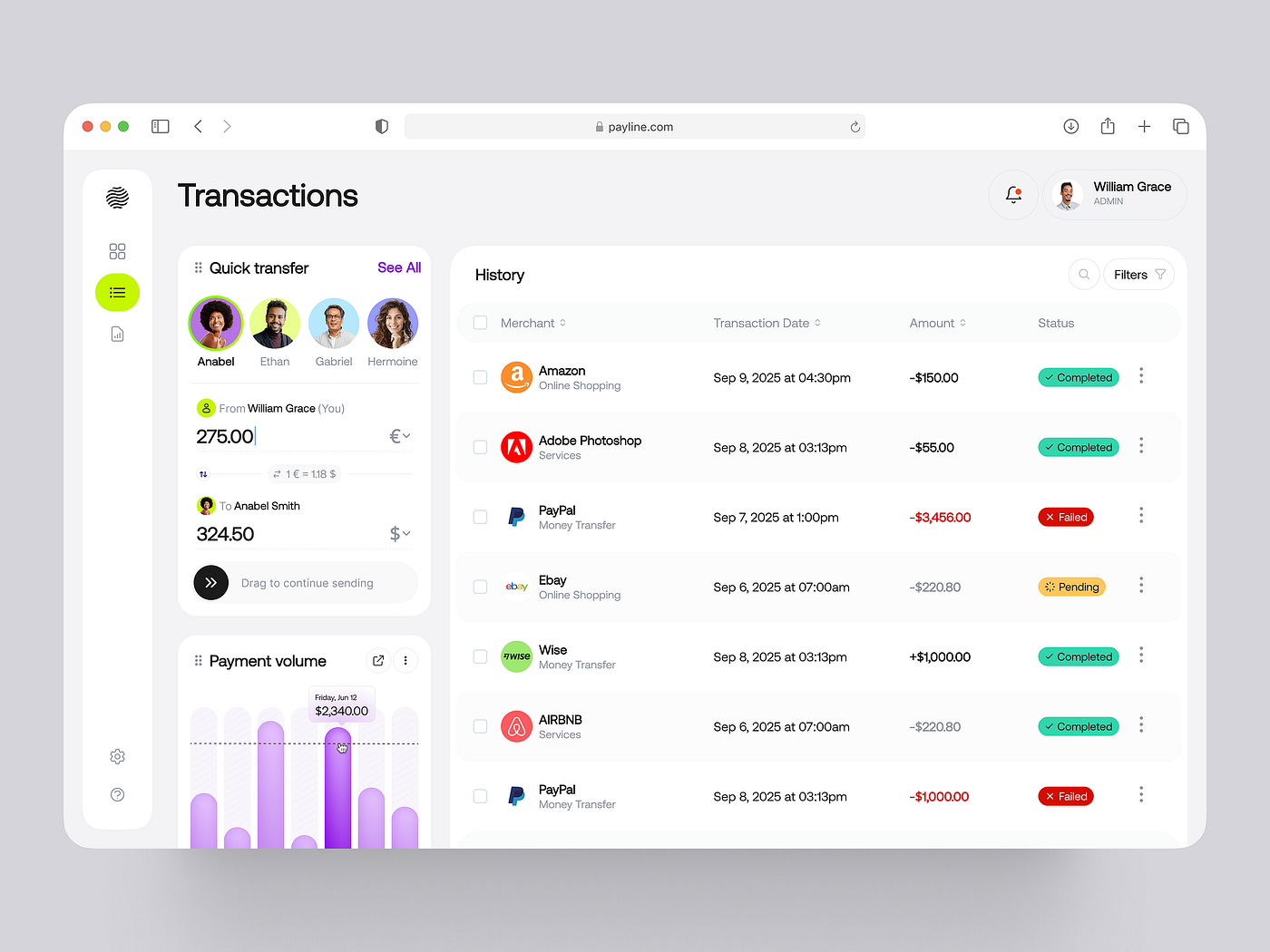
4. Open banking evolves into open finance
What has changed
Financial data is becoming portable.
In the United States, the CFPB rule under Section 1033 establishes the user’s right to obtain and transfer their financial data to third parties. This shifts the role of banks and fintech platforms. Data no longer belongs exclusively to the provider.
In Europe and other regions, similar initiatives go further toward open finance, where not only bank accounts but also investments, insurance, pensions, and other financial assets are integrated.
Globally, the direction is consistent. The user controls access to personal data.
- Unified financial dashboard
Example: you have 3 bank accounts, 2 credit cards, an investment account, a pension plan, and insurance policies, all in different applications. One dashboard aggregates everything.
Account grouping:
“Checking accounts ($12,450)”
“Investments ($34,200)”
“Debt ($8,900)”
Real-time sync: data updates instantly, not once per day.
Action-oriented prompts:
“You have $2,000 in a savings account earning 0.5%. Move it to an account yielding 4.5%? [Yes] [Learn more].”
Revolut and N26 already provide multi-bank aggregation.
- Consent management UI
Users grant access to multiple services and later forget who can see what.
Permission center:
“Apps with access to your financial data: [List].”
For each app:
“Has access to: balances, transactions. Last accessed: 5 minutes ago [Revoke access].”
Granular control:
“Mint can view transactions but cannot initiate payments.”
- Cross-institution money movement
Bank-to-bank transfers previously took 1 to 3 days. Instant payments through open banking APIs now work in seconds.
Smart routing:
“Transfer from Bank A to Bank B? We will find the fastest route.”
Transparency:
“Transfer via: Bank A → Clearing House → Bank B. Time: ~30 seconds. Fee: $0.”
Open finance transforms a fragmented financial landscape into a unified ecosystem. Designers make this complexity invisible to the user.
What changes in UX
Open banking and Section 1033 in the United States shift the focus from connecting accounts to managing access.
UX must include:
- An access management center
- A clear list of connected services
- One-step permission revocation
- Clear explanations of which data is shared
The user must see not only that an account is connected, but also the boundaries of access.
What changes in UI
- A dedicated permission dashboard rather than a hidden setting
- Visible expiration dates for tokens and connections
- History of last access
- Granular control: “can view transactions but cannot initiate payments”
The interface evolves from a simple “connect bank” button into a system for managing digital permissions.
Even if regulatory frameworks differ between the United States and the EU, access management UX patterns are becoming universal.

5. Instant payments redefine expectations of speed
Instant payments change not only speed, but the expectation of speed itself. Real-time rails are becoming the standard. Money moves in seconds. The user expects “money now.” Any status such as “processing” immediately raises doubt.
What changes in UX
- Designing events rather than processes
- Clear final statuses
- Understandable reasons for rejection
What changes in UI
- A strong confirmation screen (receipt)
- Transaction timeline
- Visible fees before sending
- Quick actions such as “repeat” or “dispute”
6. Designing for operational resilience (DORA)
Operational resilience is UX that continues to function even when something breaks.
DORA requires financial companies in the EU to document and test their resilience to cyber threats and disruptions. This includes mapping all critical third-party providers such as cloud services, payment gateways, and data providers. It also requires regular stress testing, including simulations of attacks and service failures, and incident reporting within hours rather than days.
In the United States, banks are already required to report major incidents within hours. Under DORA, European requirements are even stricter.
How this changes design
- Graceful degradation
When a service fails, the user should not see “Error 500.” The interface should provide a fallback.
Status indicators:
“Transfers are temporarily unavailable. We are working on a solution. Estimated recovery time: 15 minutes.”
Alternative flows:
“Unable to transfer via bank? Try using your card instead.”
Historical context:
“You can view transactions from the last 30 days, but real-time data is currently unavailable.”
- Transparency during outages
A dedicated status page, for example, status.yourfintech.com, with live updates.
In app notifications:
“We detected a payment issue at 14:35. Current status: investigating. Last update: 2 minutes ago.”
- User control during incidents
Example:
“Your $500 payment is delayed due to a technical issue. [Cancel and try later] [Wait] [Contact support].”

7. Tokenization and digital assets become infrastructure
What has changed
Tokenization represents real-world assets such as real estate, bonds, and money-market funds in the form of digital tokens.
In the EU, MiCA establishes a regulated framework for crypto assets. In the United States, federal and state oversight of stablecoins and digital assets is intensifying.
Major financial institutions, including JPMorgan and Citi, are testing tokenized instruments in the institutional segment, ranging from treasury products to real-world assets.
The market for tokenized real-world assets is already valued in the tens of billions of dollars and continues to grow. At the same time, stablecoin transaction volumes are increasing, with stablecoins serving as an infrastructure layer for digital settlements.
Tokenization is no longer an experiment. It is becoming infrastructure.
How this changes design
- Demystifying crypto
Most users do not understand tokens, blockchain, or gas fees.
Abstraction: the user does not see “Send USDC via Ethereum.” The user sees “Send $100 to Alex.”
Wallet management without complexity: “Your wallet: $1,250 USDC.” The address 0x7a3f…bd9e is not displayed unless the user requires advanced details.
Progressive disclosure: an advanced view is available for users who want technical information.
Circle’s USDC is integrated into mainstream platforms as a “digital dollar,” without emphasizing blockchain mechanics.
- Fractional ownership UI
Tokenization enables fractional ownership of assets, for example 1/1000 of a building.
Visualizing ownership:
“You own 0.5% of this building. Your share: $5,000. Annual income: $450.”
Liquidity indicators:
“You can sell your share at any time. Current demand: high.”
- Instant settlement
Traditional transfers take days. Tokenized assets can move in seconds.
Real-time confirmation:
“Transfer completed. 100 USDC sent to Alex. [View on blockchain].”
Transaction history may include blockchain explorer links for technically advanced users.
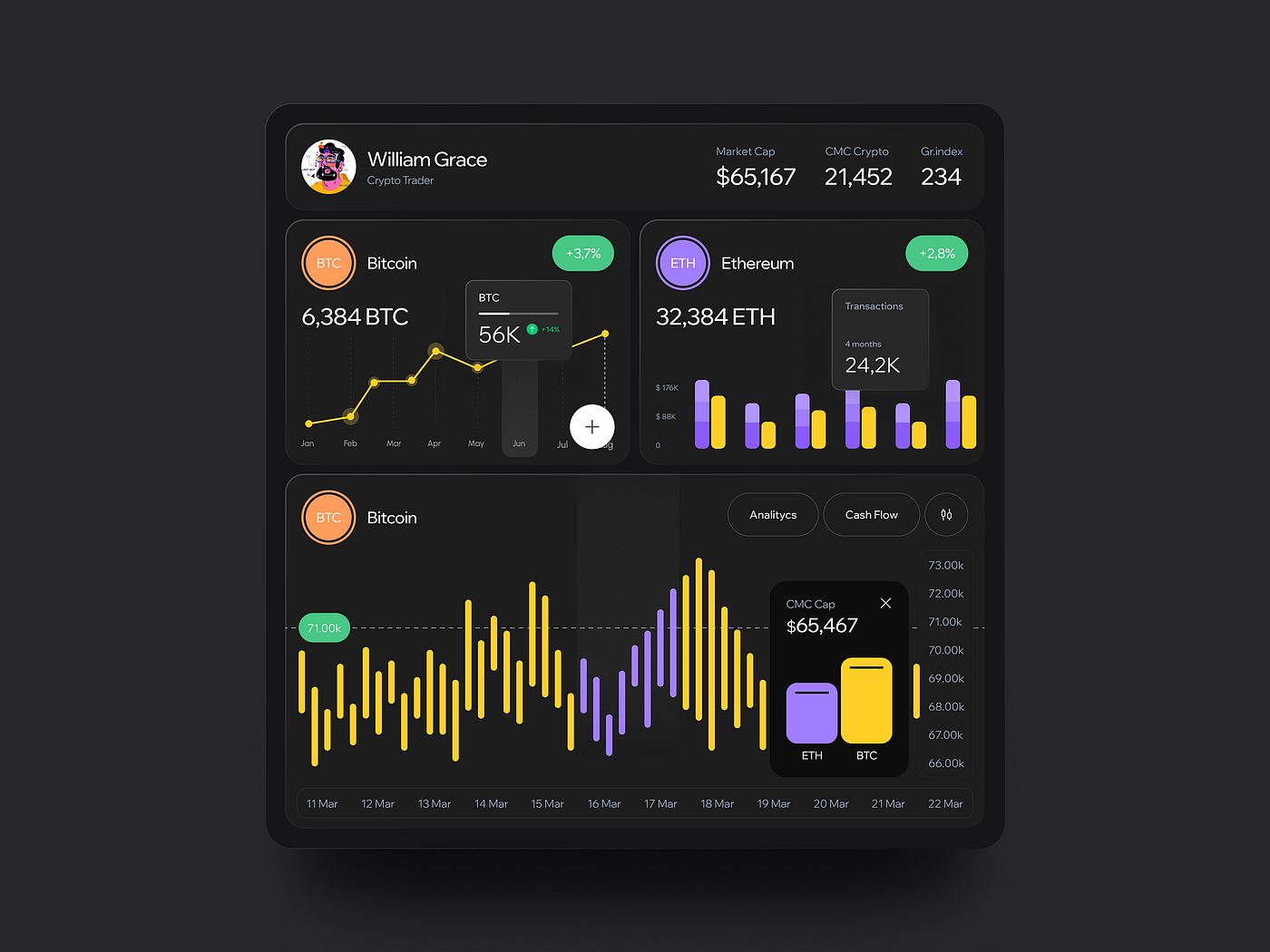
Design for digital assets must balance simplicity for the mass market with transparency for power users.
8. AI personalization will be user-controlled
What has changed
AI personalization in fintech has reached a new level. Users increasingly expect personalized financial recommendations. Banks rely more on behavioral segmentation rather than demographic categories.
For example, Revolut sends personalized notifications based on spending habits. N26 provides contextual insights such as: “You spent 15% more on restaurants this month.”
There is a risk of creepy personalization when AI appears to know too much and creates discomfort.
How this changes design
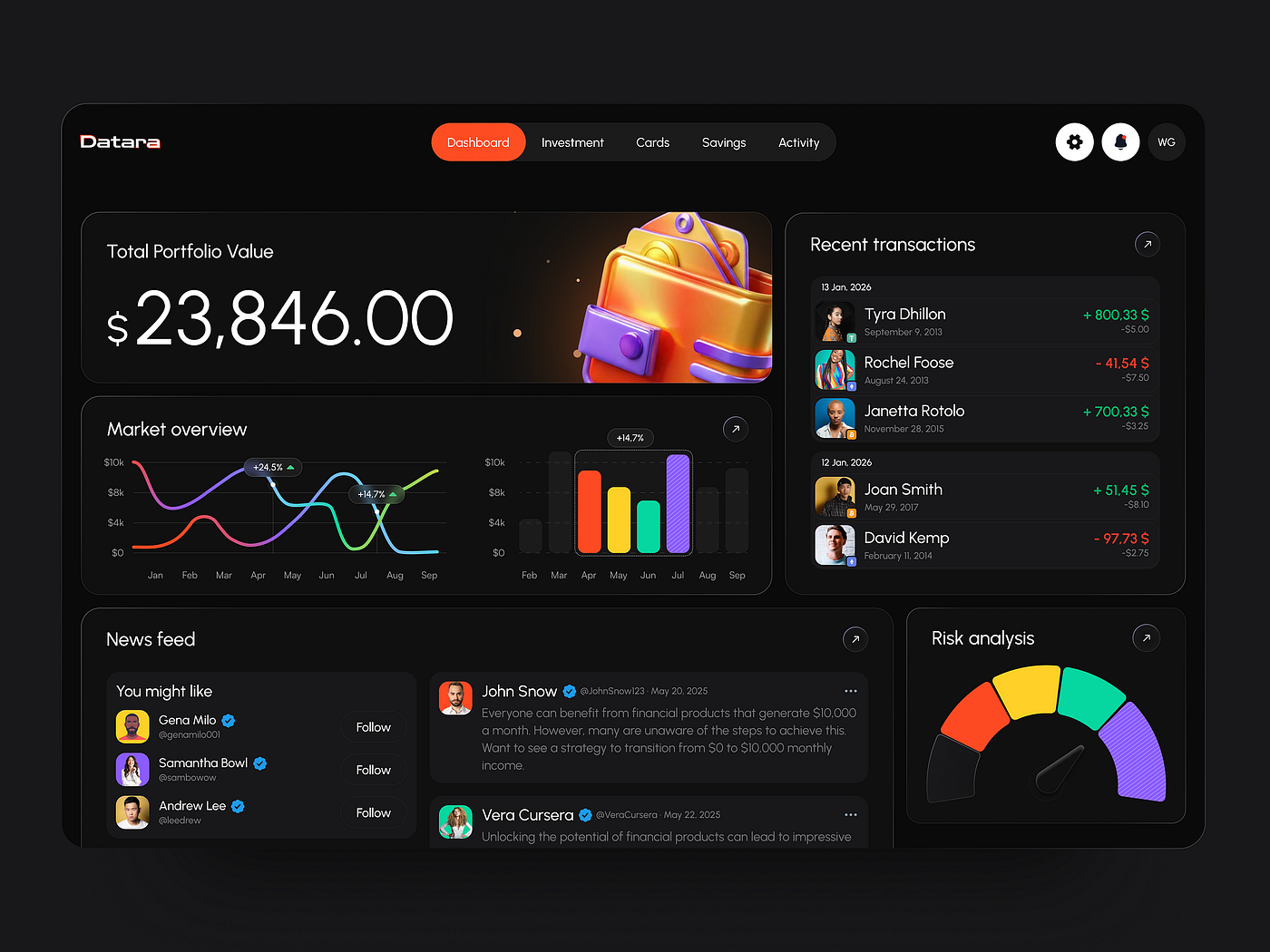
- Adaptive dashboards
The dashboard adapts based on user behavior. Frequent traders see stock quotes. Budget-conscious users see spending breakdowns.
User control is essential:
“Customize dashboard [Edit].”
- Predictive notifications
Example:
“Today is payday. Add $200 to your emergency fund?”
“Your Spotify subscription ($9.99) will renew tomorrow. You have sufficient funds.”
These are contextual and useful.
What should be avoided:
“You often eat out. Maybe you should cook at home.” This feels intrusive and judgmental.
- Preference controls
Settings → Personalization:
“How much can AI analyze?”
[Transactions only]
[Transactions + location]
[Everything, including habits]
Transparency:
“We use your data for fraud prevention and personalized insights.”
AI personalization means knowing what matters and giving the user control over how deeply AI can analyze behavior.
9. Anti-fraud moves to the interface level
What has changed
The growth of fraud is reflected in official FTC data. User protection is no longer only a backend function. It becomes part of the user experience. People want to feel that the product protects them, but without excessive friction.
What changes in UX
- Risk checks before large transfers
- “Cool down” mechanisms
- Fast card blocking
What changes in UI
- A clearly visible “Freeze card” button
- Clear warnings without dramatization
- Specific explanations for declined transactions
Conclusion. From interfaces to ecosystems
We are moving toward ecosystems where regulation is embedded in UX from day one, and AI agents act on behalf of users under their control. Financial services are integrated into everyday actions. All finances are managed from a single place. Systems remain resilient even during disruptions. Digital assets become as simple as sending an email. Personalization supports users without being intrusive.
For startup founders: compliance architecture must be part of your MVP from day one, not something added later. Invest in design that explains complex concepts in simple language.
For entrepreneurs: embedded finance is a strategic advantage. Platforms that integrate financial services retain users more effectively.
For marketers: trust is the new luxury. Users choose products that provide control, transparency, and clear explanations.
For designers: do not simplify complexity. Make complexity understandable. Fintech is an industry where every button can cost users money or help them save it. Design must function as an instrument of trust.
Fintech in 2026 has definitively shifted from being perceived as a technological breakthrough to becoming infrastructure. The role of design is to make this infrastructure usable and human.
UX in this environment is a tool for reducing risk. UI is a way to demonstrate control.
And that is what distinguishes fintech design from just good UX.